

I honestly haven’t shared many squash-based recipes on my blog, but this Thanksgiving Side Dishes Healthy Butternut Squash was one I knew I had to share. Inspired by cozy holiday cooking, it’s a simple side dish filled with roasted flavors and colorful vegetables. The idea comes from classic Thanksgiving favorites and fits perfectly among thanksgiving recipes side dishes healthy butternut squash ideas that feel special without being difficult to prepare.
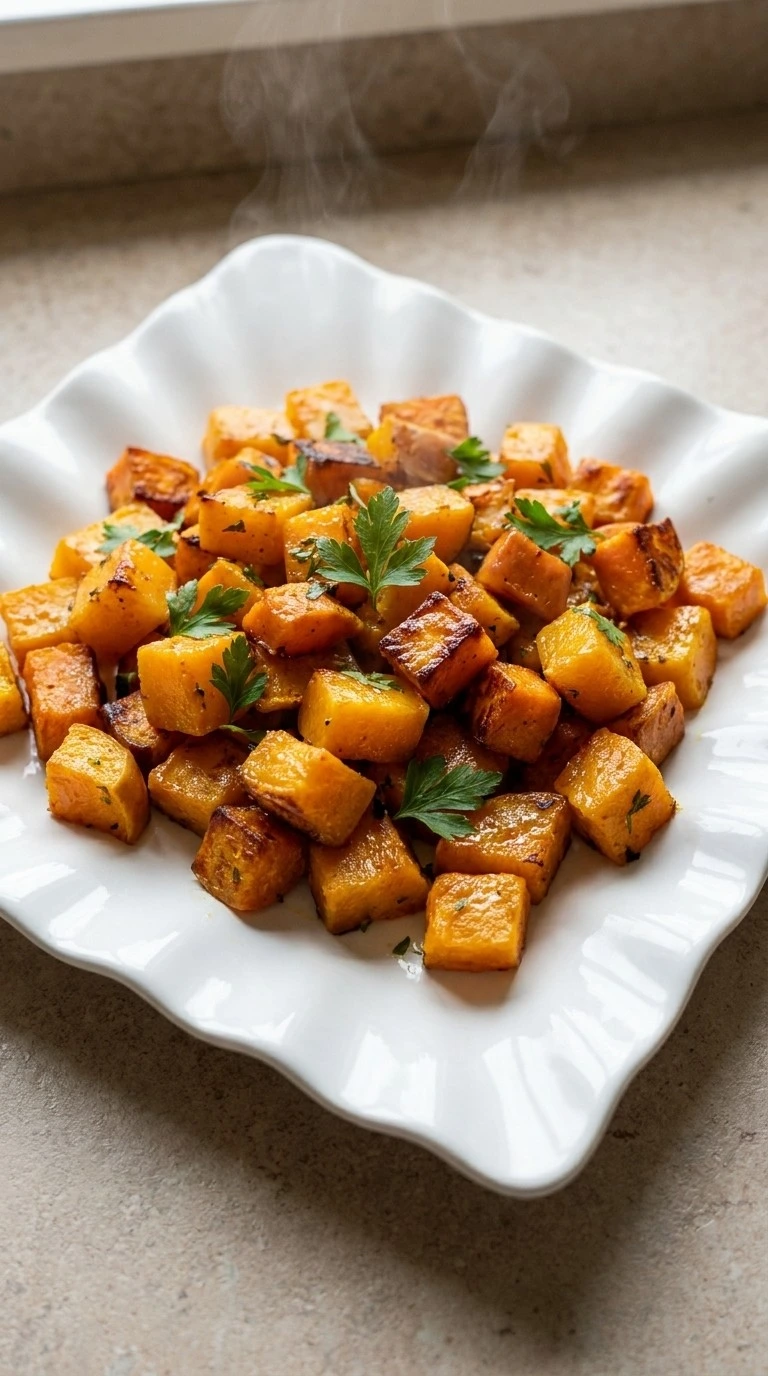
It’s a delicious combination of sweet roasted butternut squash, sweet potatoes and fresh herbs that everyone seems to enjoy. If you love comforting meals, try our Crockpot Mac and Cheese for another holiday table favorite. When people think about holiday vegetables, they often imagine a basic side dish, but this version adds caramelized edges and savory seasoning for a much richer experience.
The roasting process brings out deep flavors and gives the vegetables a satisfying texture that makes them stand out on the table. It’s easy to prepare and works well for family dinners or larger gatherings. I recommend this dish for anyone searching for healthy Thanksgiving side dishes made with simple ingredients and that warm homemade flavor everyone loves.
Ingredients
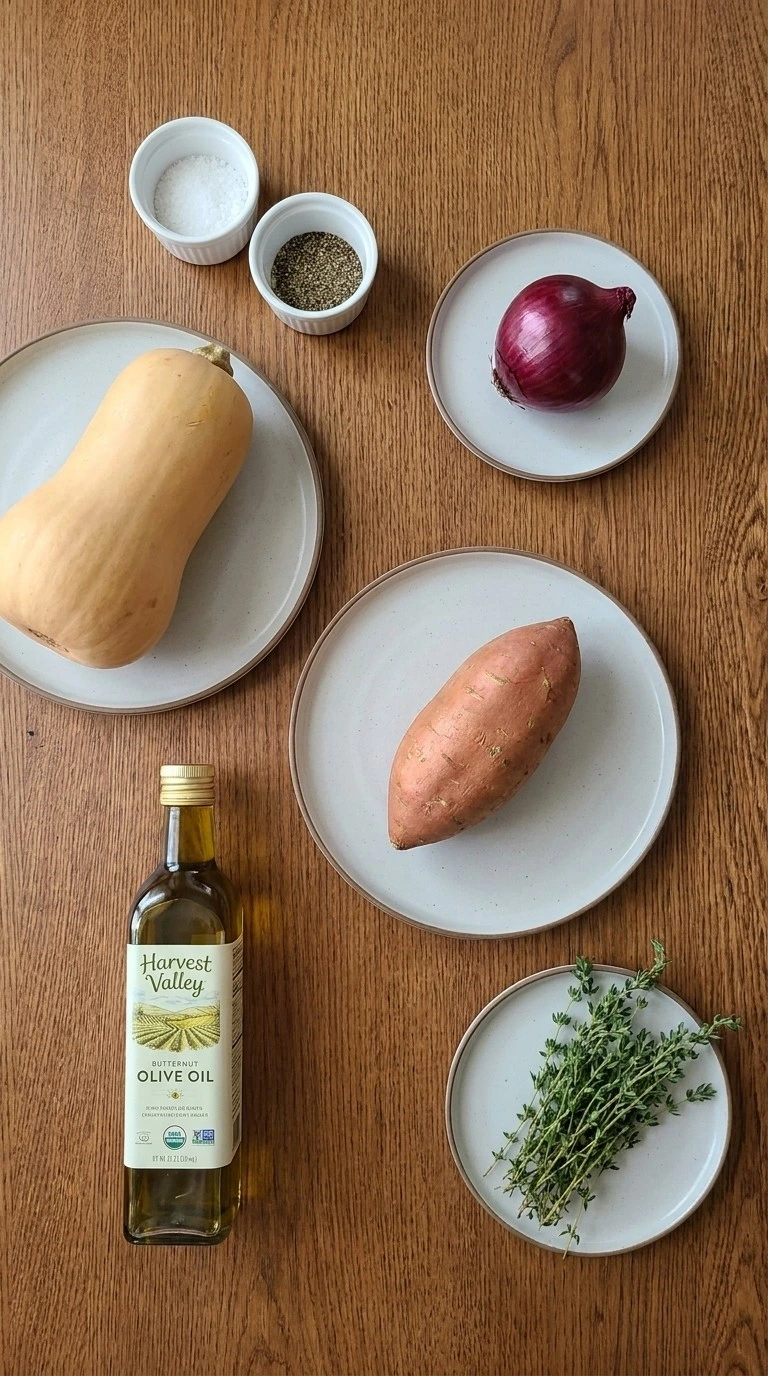
Here’s what I use for this recipe and you can always make substitutions if you prefer.
- butternut squash: Cut into uneven 1-inch cubes to create tender centers and caramelized edges.
- sweet potato: Cut into 1-inch cubes for a naturally sweet roasted flavor.
- red onion: Sliced to soften and add savory sweetness during roasting.
- olive oil: Used to coat vegetables and help seasoning stick.
- fresh thyme: Adds herbal flavor throughout the roasted vegetables.
- salt: Enhances the natural sweetness of the vegetables.
- black pepper: Adds gentle spice and balance.
- fresh parsley: Chopped and added at the end for fresh color.
Tools You’ll Need
- Large baking sheet: A heavy 13×18 inch baking sheet spreads heat evenly for roasting and prevents crowded vegetables from steaming instead of browning.
- Large clear glass mixing bowl: A 4-quart bowl gives enough room to coat vegetables evenly while smaller bowls can spill oil and seasonings.
Instructions
Step 1: Cut the squash and sweet potatoes
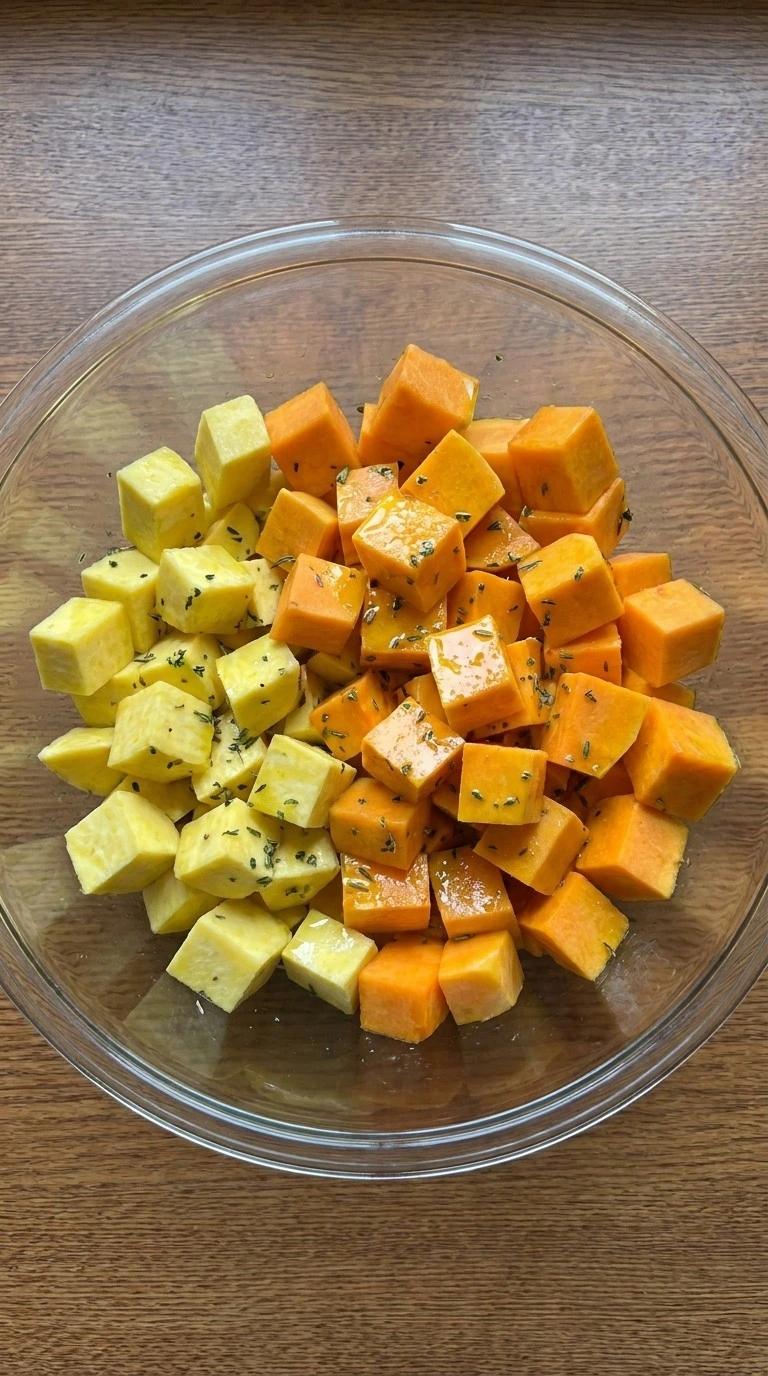
Preheat the oven to 375°F. Cut 1 medium butternut squash and 2 medium sweet potatoes into uneven 1-inch cubes at room temperature. Use a sharp knife with steady downward pressure and rotate each vegetable between cuts. Toss the cubes with olive oil, salt, black pepper and thyme in a large bowl for 3 minutes.
The pieces should look evenly coated with a glossy oil layer and natural orange tones. You’ll smell the thyme as it releases when mixed. Miss this coating window and dry edges can form before roasting begins. (I tested larger cubes first and the centers stayed firm.
The 1-inch size gave the best texture. ) Coat evenly for better heat transfer and caramelization.
Tip: Choose a squash that feels heavy for its size because denser flesh develops a sweeter roasted texture.
Step 2: Spread vegetables for roasting
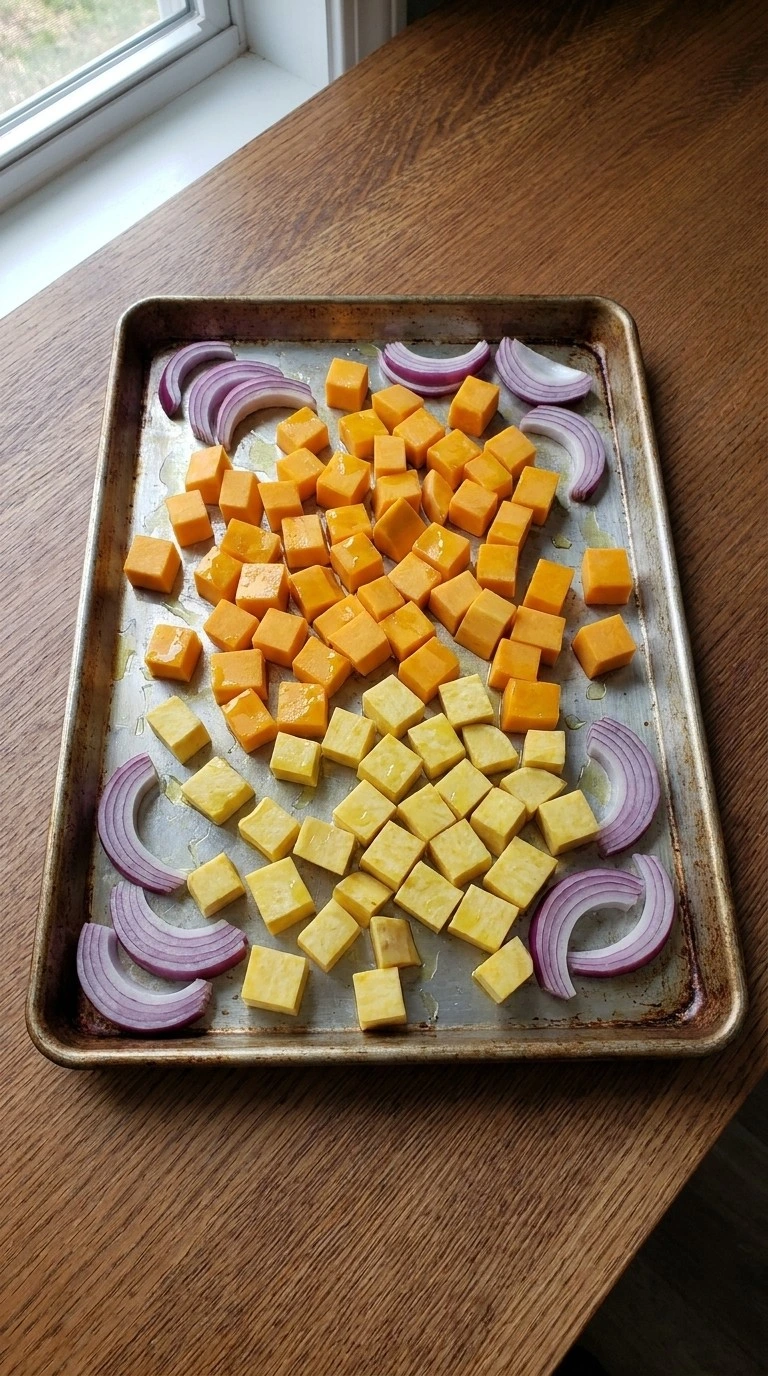
Spread the seasoned 1-inch butternut squash cubes and 1-inch sweet potato cubes on a 375°F sheet pan in one loose layer. Add sliced red onion and gently turn pieces with your hands for 2 minutes so the vegetables sit apart. Roast for 20 to 25 minutes until the edges begin changing color.
You’ll see orange surfaces deepen and small browned spots appear around the corners. The vegetables should release a sweet roasted smell at minute 20. Overcrowding the pan traps steam and prevents crisp edges.
Keep space between pieces at 375°F because dry heat creates caramelized surfaces.
Tip: Use two pans when doubling the recipe because crowded vegetables steam instead of roasting.
Step 3: Roast until edges caramelize
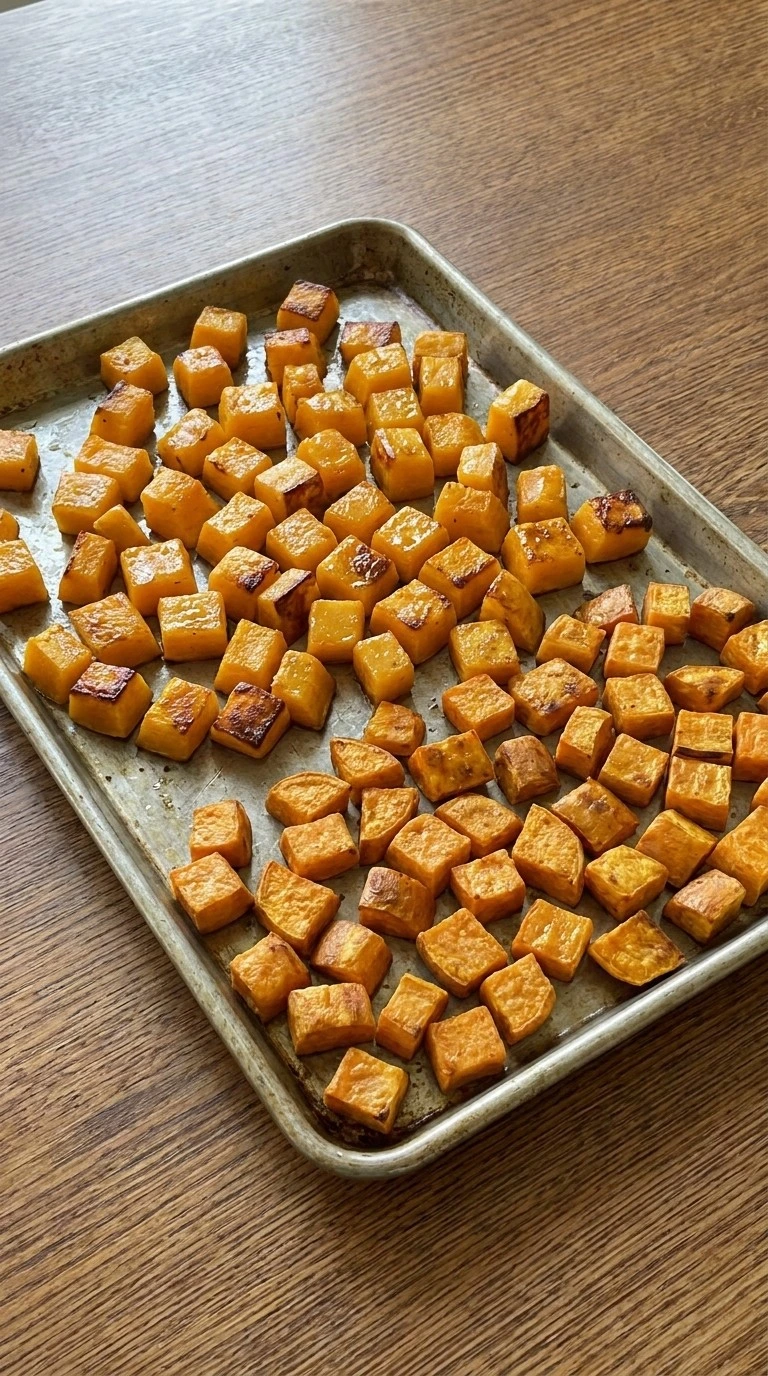
Roast the seasoned butternut squash cubes, sweet potato cubes and red onion slices at 425°F for 25 to 30 minutes. Flip the vegetables with a spatula at minute 15 so the underside contacts the hot surface. Continue until the edges turn deep amber.
You’ll notice crisp corners and soft centers when you press a cube gently. The aroma changes from raw sweetness to a nutty roasted scent. Go beyond 30 minutes and the smaller pieces can dry out.
(I tried 400°F first and the vegetables softened before caramelizing. 425°F created the better roasted finish. ) Roast hot enough for browning and texture development.
Tip: Leave smaller pieces around the edges of the pan because they brown faster than larger center pieces.
Step 4: Plate the roasted vegetable side
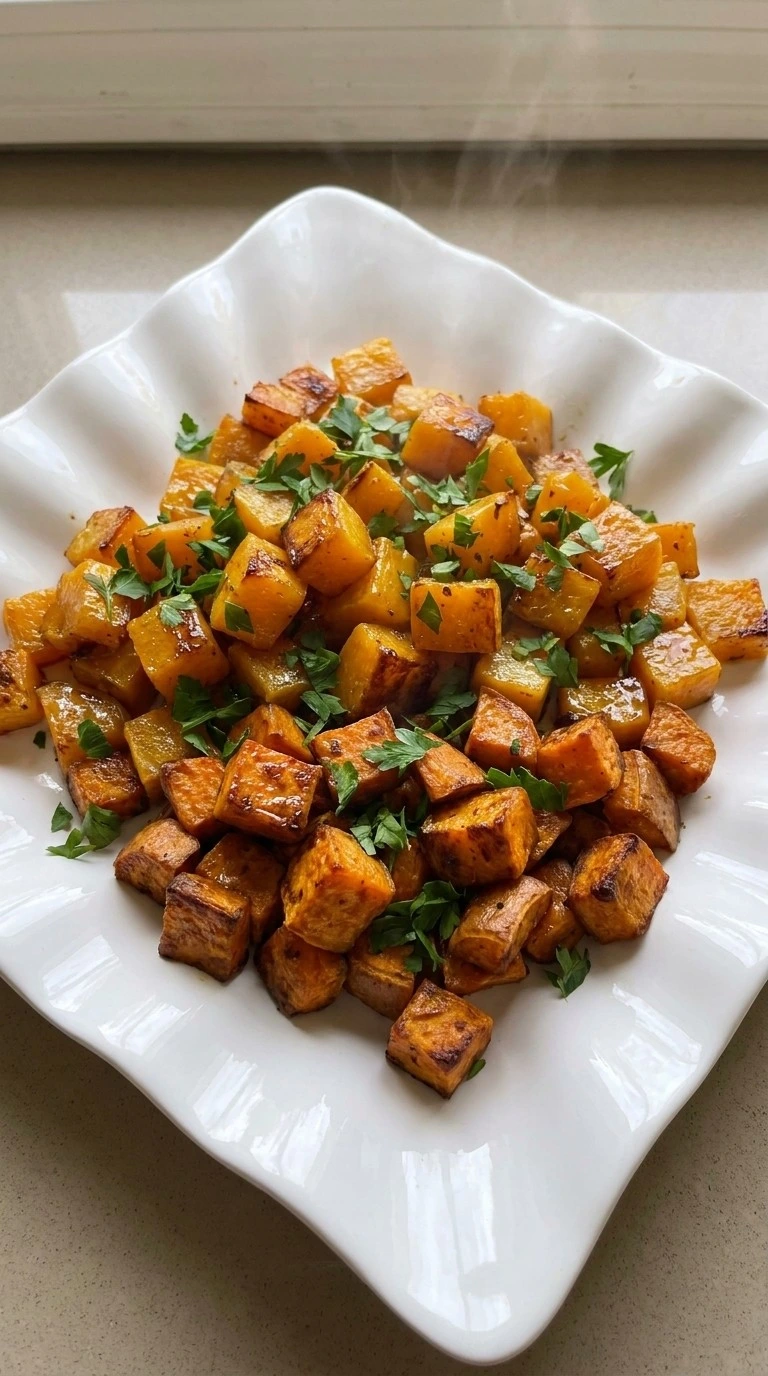
Transfer the roasted butternut squash cubes, sweet potato cubes and softened red onion slices onto a white plate at 375°F serving temperature. Arrange the pieces loosely with a spoon and scatter fresh parsley over the top within 2 minutes. Keep some browned edges visible.
You’ll see uneven golden colors, crisp corners and tender centers. The herbs add fresh green contrast against the orange vegetables. Waiting too long before serving lets the crisp surfaces soften.
Serve immediately at the right temperature because the roasted texture is the main feature.
Tip: Add fresh parsley right before serving because early addition can darken and lose its bright flavor.
Pro Tips
- Choose a butternut squash with a firm neck and dull skin because fresh squash roasts sweeter than one with soft spots.
- Cut the cubes between 3/4 and 1 inch so they finish together at 425°F without some pieces drying before others.
- Use a 13×18 inch baking sheet when possible because a crowded pan traps steam and reduces caramelized edges after 25 minutes.
- Flip the vegetables once around the 15-minute mark to expose fresh surfaces and create deeper golden spots.
- Add fresh parsley within 2 minutes of serving because the bright green color fades if it sits on hot vegetables too long.
- Let the roasted vegetables rest for 5 minutes before serving because the centers settle and hold their tender texture better.
- Add 1 teaspoon smoked paprika and 1/2 teaspoon garlic powder before roasting for a warmer savory version with deeper autumn flavor.
- Mix 1/3 cup dried cranberries with the finished vegetables for a sweet holiday twist that adds chewy texture and color.
- Replace the fresh thyme with 2 teaspoons maple syrup and 1/2 teaspoon cinnamon for a sweeter Thanksgiving-inspired variation.
- Top the plated vegetables with 1/4 cup toasted pecans for a crunchy version that pairs well with roasted holiday meals.
Storage Instructions
Store leftover Thanksgiving Side Dishes Healthy Butternut Squash in an airtight glass container and keep it in the refrigerator for up to 4 days. You can also freeze the roasted vegetables for up to 3 months by placing them in a tightly sealed freezer bag.
When you’re ready to enjoy them again, thaw the portions overnight in the refrigerator before reheating. Warm the vegetables at 375°F for 12 to 15 minutes until the edges are heated through and regain some of their texture.
If the cubes seem a little dry, add 1 teaspoon of olive oil before reheating. Don’t eat leftovers if they develop a sour smell, sticky texture or any unusual discoloration.
Print
Thanksgiving Side Dishes Healthy Butternut Squash
- Total Time: 45 minutes
- Yield: 4 servings 1x
Description
This easy Thanksgiving Side Dishes Healthy Butternut Squash recipe is a quick and simple holiday idea for a healthy party or potluck. The best version uses roasted butternut squash and sweet potato with herbs that create a sweet smoky smell and crispy golden edges. The trick is roasting at high heat so the vegetables develop deep flavor while staying tender inside. It’s perfect for weeknight dinner, Search focus: thanksgiving recipes side dishes healthy butternut squash.
Ingredients
- 1 medium butternut squash
- 2 medium sweet potato
- 1 medium red onion
- 3 tablespoons olive oil
- 2 teaspoons fresh thyme
- 1 teaspoon salt
- 1/2 teaspoon black pepper
- 2 tablespoons fresh parsley
Instructions
- Preheat the oven to 375°F. Cut 1 medium butternut squash and 2 medium sweet potatoes into uneven 1-inch cubes at room temperature. Use a sharp knife with steady downward pressure and rotate each vegetable between cuts. Toss the cubes with olive oil, salt, black pepper and thyme in a large bowl for 3 minutes. The pieces should look evenly coated with a glossy oil layer and natural orange tones. You’ll smell the thyme as it releases when mixed. Miss this coating window and dry edges can form before roasting begins. (I tested larger cubes first and the centers stayed firm. The 1-inch size gave the best texture.) Coat evenly for better heat transfer and caramelization.
- Spread the seasoned 1-inch butternut squash cubes and 1-inch sweet potato cubes on a 375°F sheet pan in one loose layer. Add sliced red onion and gently turn pieces with your hands for 2 minutes so the vegetables sit apart. Roast for 20 to 25 minutes until the edges begin changing color. You’ll see orange surfaces deepen and small browned spots appear around the corners. The vegetables should release a sweet roasted smell at minute 20. Overcrowding the pan traps steam and prevents crisp edges. Keep space between pieces at 375°F because dry heat creates caramelized surfaces.
- Roast the seasoned butternut squash cubes, sweet potato cubes and red onion slices at 425°F for 25 to 30 minutes. Flip the vegetables with a spatula at minute 15 so the underside contacts the hot surface. Continue until the edges turn deep amber. You’ll notice crisp corners and soft centers when you press a cube gently. The aroma changes from raw sweetness to a nutty roasted scent. Go beyond 30 minutes and the smaller pieces can dry out. (I tried 400°F first and the vegetables softened before caramelizing. 425°F created the better roasted finish.) Roast hot enough for browning and texture development.
- Transfer the roasted butternut squash cubes, sweet potato cubes and softened red onion slices onto a white plate at 375°F serving temperature. Arrange the pieces loosely with a spoon and scatter fresh parsley over the top within 2 minutes. Keep some browned edges visible. You’ll see uneven golden colors, crisp corners and tender centers. The herbs add fresh green contrast against the orange vegetables. Waiting too long before serving lets the crisp surfaces soften. Serve immediately at the right temperature because the roasted texture is the main feature.
Notes
Pro Tips:
- Choose a butternut squash with a firm neck and dull skin because fresh squash roasts sweeter than one with soft spots.
- Cut the cubes between 3/4 and 1 inch so they finish together at 425°F without some pieces drying before others.
- Use a 13×18 inch baking sheet when possible because a crowded pan traps steam and reduces caramelized edges after 25 minutes.
- Flip the vegetables once around the 15-minute mark to expose fresh surfaces and create deeper golden spots.
- Add fresh parsley within 2 minutes of serving because the bright green color fades if it sits on hot vegetables too long.
- Let the roasted vegetables rest for 5 minutes before serving because the centers settle and hold their tender texture better.
Storage: Store leftover Thanksgiving Side Dishes Healthy Butternut Squash in an airtight glass container and keep it in the refrigerator for up to 4 days. You can also freeze the roasted vegetables for up to 3 months by placing them in a tightly sealed freezer bag. When you’re ready to enjoy them again, thaw the portions overnight in the refrigerator before reheating. Warm the vegetables at 375°F for 12 to 15 minutes until the edges are heated through and regain some of their texture. If the cubes seem a little dry, add 1 teaspoon of olive oil before reheating. Don’t eat leftovers if they develop a sour smell, sticky texture or any unusual discoloration.
- Prep Time: 15 minutes
- Cook Time: 30 minutes
- Category: Dinner
- Cuisine: American
Nutrition
- Serving Size: 173g
- Calories: 190
- Sugar: 7g
- Sodium: 573mg
- Fat: 11g
- Carbohydrates: 23g
- Fiber: 5g
Frequently Asked Questions
Yes, prepare the roasted vegetables up to 2 days ahead and keep them chilled in an airtight container. Reheat them at 375°F for 12 to 15 minutes on a baking sheet so the edges regain some crispness before serving.
Store the finished Thanksgiving Side Dishes Healthy Butternut Squash in a sealed glass container for up to 4 days. Check for sour smells or a slimy surface before reheating because those signs mean the vegetables should be discarded.
This recipe is naturally dairy-free and gluten-free because it uses vegetables, olive oil and herbs. Always check packaged seasonings if you add blends since some mixes may contain hidden ingredients.
Soft vegetables usually happen when the pan is overcrowded or the oven temperature is too low. Roast at 425°F and leave space between pieces so moisture can escape and the surfaces can brown.
Yes, double the ingredients but divide them between two baking sheets. Keep the oven at 425°F and rotate the pans halfway through the 25 to 30 minute roasting time for even browning.
Freeze the cooled vegetables in a freezer-safe container for up to 3 months. Thaw overnight and reheat at 400°F for about 10 minutes, although the texture will be softer than freshly roasted vegetables.
Final Thoughts
One of my favorite holiday recipes to make! This Thanksgiving Side Dishes Healthy Butternut Squash combines roasted vegetables, fresh herbs and rich caramelized flavors for a side dish that feels both comforting and special.
Even though it uses simple ingredients, it adds a beautiful homemade touch to any holiday table. It makes 4 servings and is perfect for family dinners or gatherings with friends.
This dish fits right in with the best thanksgiving recipes side dishes healthy butternut squash ideas thanks to its cozy roasted texture and fresh flavors. You can also serve it with Baked BBQ Chicken Drumsticks for a complete meal or bring it along to your next holiday celebration.